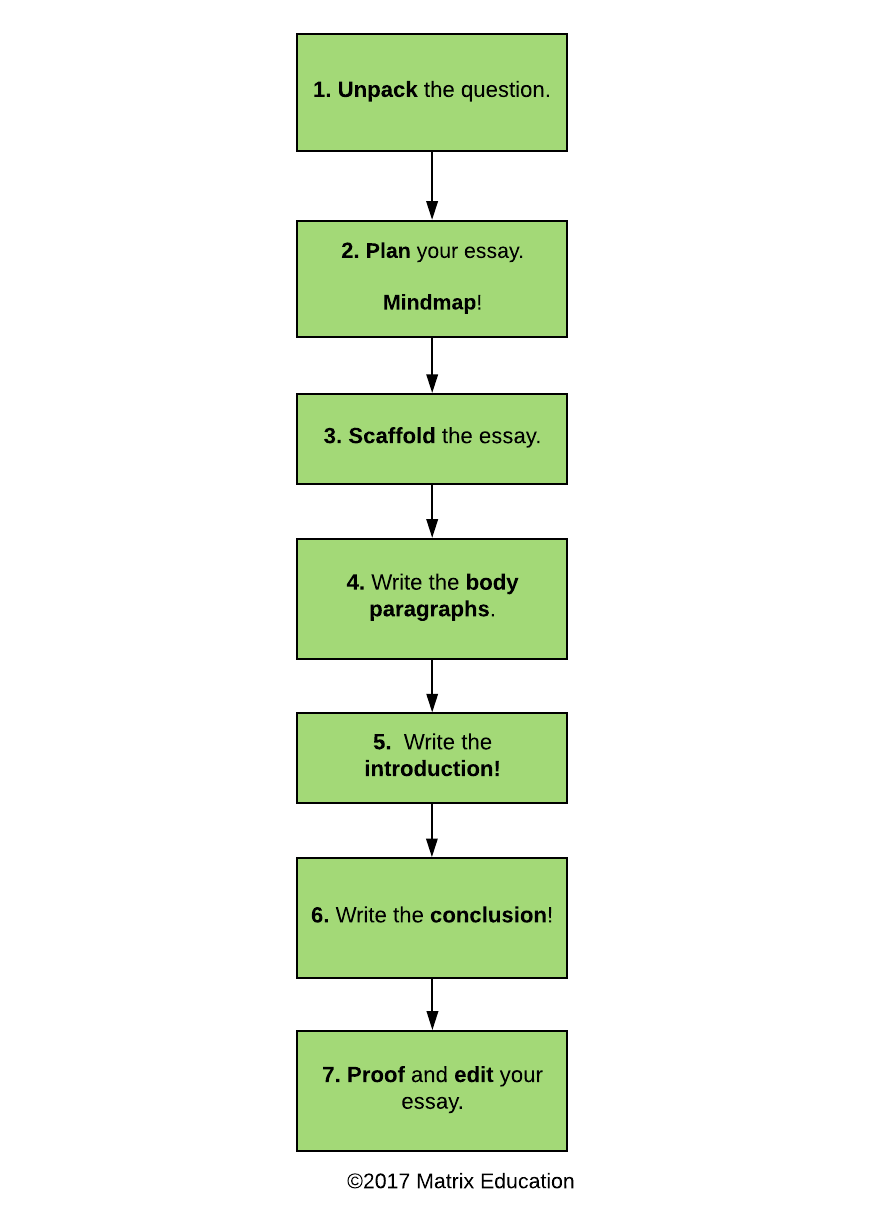
Business essays can feel deceptively simple. You’re writing about “real life,” not Shakespeare — so it should be easier, right? But business writing has its own rules: clarity over flair, evidence over opinion, and structure that makes your argument effortless to follow. The good news is that once you understand what instructors look for, business essays become far more predictable and much easier to write well.
Below are practical tips you can use right away, plus a planning table, a checklist-style list, and a short FAQ.
What Makes a Business Essay Different?
A strong business essay does three things at once:
- Answers the prompt directly (no drifting).
- Uses business logic (trade-offs, constraints, stakeholders).
- Supports claims with credible sources (data, frameworks, research).
Instructors typically reward writing that sounds like a decision-maker: specific, justified, and grounded in evidence.
Quick Planning Table: Match Your Essay Type to Your Approach
| Essay type | What you’re really being graded on | Best structure |
| Case analysis | Diagnosis + justified recommendation | Situation → Issues → Analysis → Solution |
| Argument essay | Clear position + evidence + rebuttal | Claim → Evidence → Counterargument → Conclusion |
| Report-style essay | Clarity + organization + credible sources | Headings + brief paragraphs + visuals if allowed |
| Reflection (business) | Insight + application to practice | Experience → Concept → What you’d do next |
Use this table as your “starting template.” It prevents the most common problem: using the wrong structure for the assignment.
10 Business Essay Tips That Raise Quality Fast
1) Restate the prompt as a decision question
Instead of “This essay discusses leadership,” aim for: “Which leadership approach best fits this scenario, and why?” This sets you up to argue, not summarize.
2) Build your thesis like a recommendation
Business writing loves direction. A strong thesis often sounds like:
- Action: what should be done
- Reason: why it’s the best option
- Condition: under what constraints
Example:
“Company X should adopt a hybrid pricing model because it stabilizes revenue while maintaining customer trust in a price-sensitive segment.”
3) Use one main idea per paragraph
Each paragraph should have:
- Topic sentence (the claim)
- Evidence (data, source, framework)
- Explanation (what the evidence proves)
- Link back to thesis (why it matters)
4) Treat frameworks as tools, not decorations
SWOT, Porter’s Five Forces, PESTLE, SMART — these don’t replace thinking. Use them to organize analysis and justify conclusions.
A fast rule: if you can delete the framework name and nothing changes, you didn’t use it properly.
5) Show trade-offs (that’s where the “A” grades live)
Business choices have costs. Include at least one sentence like:
- “This approach improves X but risks Y.”
- “The main constraint is budget/time/compliance.”
- “This is strongest under these assumptions…”
6) Make evidence work
Don’t just drop stats — interpret them.
Bad: “Market size is growing.”
Better: “The growth rate suggests demand is expanding, which supports investing in distribution now rather than later.”
7) Use headings if allowed
Headings improve readability and make your logic obvious. Even in a standard essay format, clear signposting helps graders.
8) Keep the tone confident and concrete
Avoid “I think” and vague language. Prefer:
- “This indicates…”
- “The evidence suggests…”
- “A more defensible conclusion is…”
9) Make your introduction earn its space
A business intro should do four things quickly:
- Context (1–2 sentences)
- Define the core problem
- Thesis (your answer)
- Roadmap (what you’ll cover)
10) End with a conclusion that feels like a final call
A strong business conclusion:
- Restates the recommendation
- Summarizes the top 2–3 reasons
- Notes one limitation or risk
- Ends with an implication (“what happens next”)
A Short Checklist Before You Submit
- Did I answer the prompt exactly?
- Is my thesis specific and arguable?
- Do I have evidence in every major section?
- Did I explain trade-offs and constraints?
- Are my paragraphs logically ordered?
- Did I cite sources consistently (APA/MLA/Harvard)?
- Did I proofread for clarity and repetition?
If you can’t confidently check these off, revise before submitting.
If structure, argument quality, or integrating sources is holding you back, consider professional assistance with business essays.
FAQ
How long should a business essay intro be?
About 3–5 focused sentences that define the issue, present your thesis, and briefly outline your main points.
What’s the best structure for high grades?
A clear thesis, logically ordered body paragraphs with evidence, analysis of trade-offs, and a decisive conclusion.
How many sources should I use?
Use enough credible academic sources to support each key claim, typically 6–12 for standard college essays.Can I use SWOT in any business essay?
Yes, as long as it supports analysis and leads to a justified recommendation rather than just listing strengths and weaknesses.